Basketball Club Teams San Diego for Beginners and Advanced Players
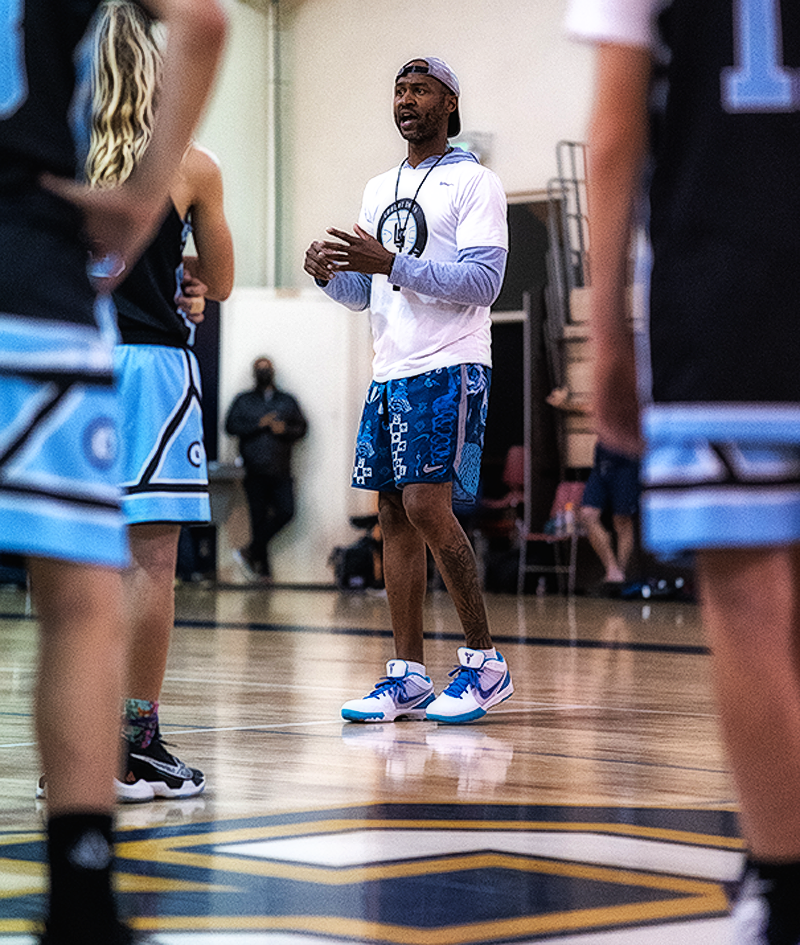
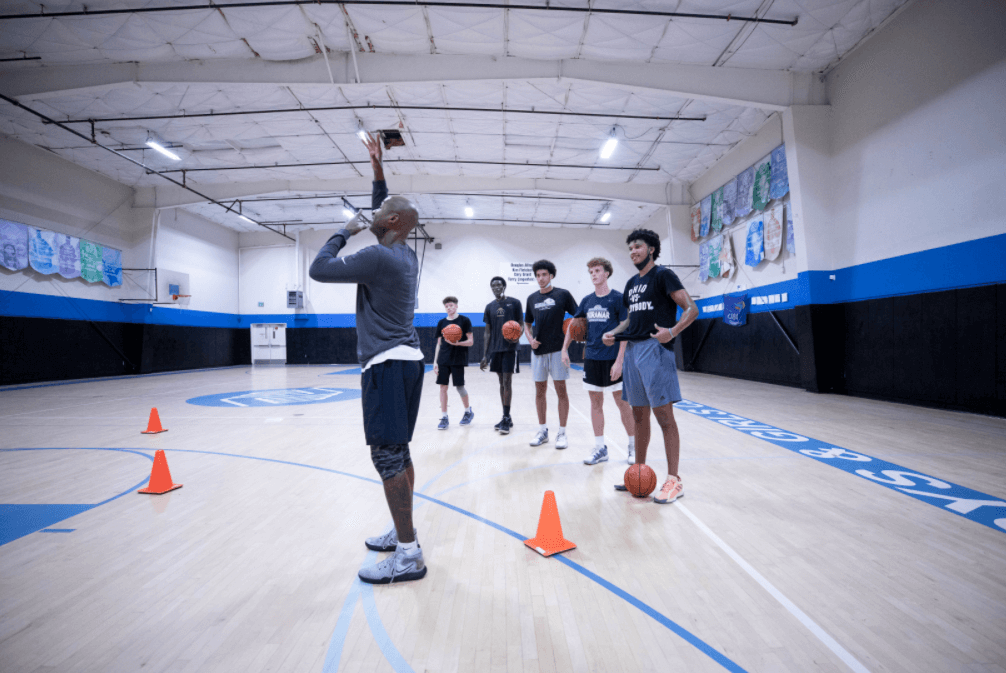
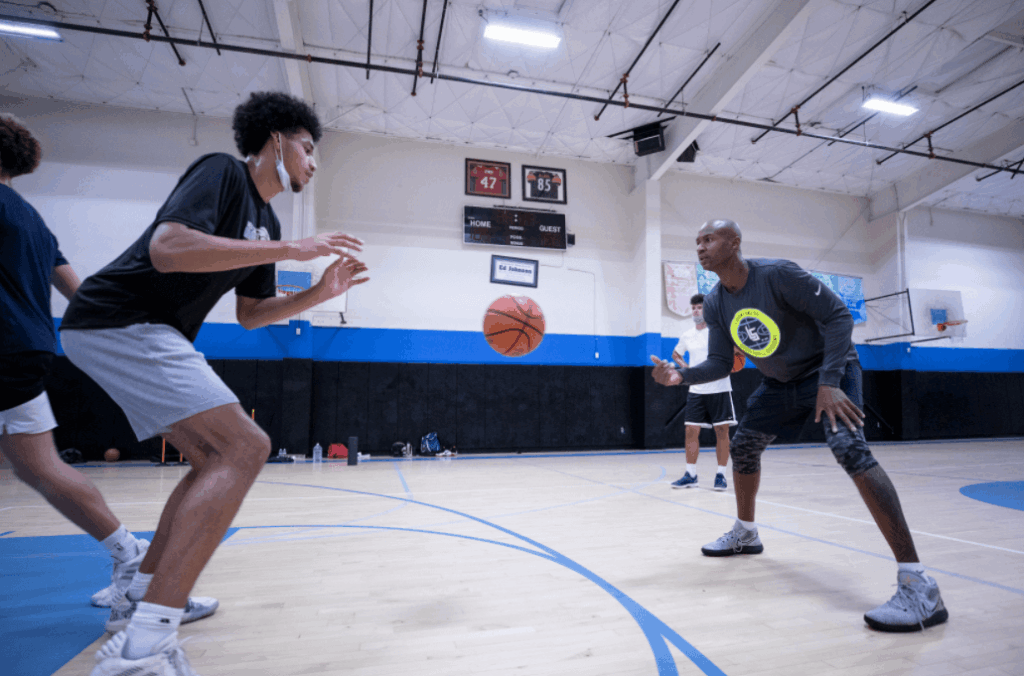
San Diego is one of those places where basketball can become part of a kid’s weekly rhythm very quickly. There are outdoor courts in neighborhood parks, school gyms that stay busy year-round, trainers working in small groups, and a wide spread of club programs competing across the county and beyond. For families trying to make sense of it all, the phrase Basketball Club Teams San Diego can mean very different things depending on age, skill level, goals, and budget.
That is where a lot of confusion begins.
Some parents hear "club" and assume elite travel basketball, the kind that demands year-round commitment and weekend flights. Others think it simply means a structured team outside school ball. In practice, both can be true. San Diego has room for the fourth grader who is still learning how to pivot without traveling, and the high school guard trying to sharpen reads against stronger competition before the next varsity season.
The important thing is not finding the flashiest logo or the loudest promise. It is finding the right fit. Good club basketball should match the player in front of it, not the parent’s hopes, not the coach’s ego, and not a social media highlight reel.
What club basketball really means in San Diego
Club basketball sits between casual recreation and formal school competition. Recreational leagues usually focus on broad participation, basic skills, and local scheduling. School teams, especially at the middle school and high school levels, often depend on tryouts, limited roster spots, and a short season. Club teams fill the space in between by offering more training, more games, and in many cases, more specialized coaching.
In San Diego, that can take several forms. Some programs are developmental and local. They practice once or twice a week, play in county leagues, and give younger or newer players a place to learn in a more competitive setting than rec ball. Other programs are selective and travel regularly across Southern California. Those teams may attend tournaments in Orange County, Los Angeles, the Inland Empire, or even out of state when players reach advanced levels.
Parents often ask a simple question: when should my child join a club team? The honest answer depends less on age and more on readiness. A player is usually ready for club when they can handle consistent practice, respond to coaching, and enjoy competition enough that extra games feel motivating rather than draining. For one child, that might happen in third or fourth grade. For another, middle school is a better entry point.
Beginners need structure more than hype
The biggest mistake I see with new players is jumping too quickly into highly competitive environments before the fundamentals are stable. It is tempting. A child has a good weekend in rec ball, scores a few baskets, and suddenly the family starts looking at advanced travel teams. But early growth in basketball depends on repetition and understanding, not on collecting tournament wristbands.
For beginners, the best Basketball Club Teams San Diego options usually share a few characteristics. The coaches teach footwork on day one. Practices are organized. Players handle the ball often instead of standing in lines. Mistakes are corrected without embarrassment. Playing time, while not always equal, still reflects development priorities rather than pure win chasing.
A younger beginner benefits from learning how to move before learning how to impress. That means jump stops, defensive stance, passing angles, and finishing with either hand matter more than step-back threes. In a good beginner club setting, coaches understand this. They care whether a player can box out and make the simple pass under pressure. They do not build the entire offense around the one child who matured early and can outrun everyone else.
I remember watching a ten-year-old in a local gym who had obvious talent, quick first step, soft touch, plenty of confidence. His team won often because the coach gave him the ball every possession. The problem was visible within minutes. The other players barely developed, and even that standout player never learned to play without dominating the ball. A year later, when he faced stronger defenses and more disciplined teams, the gaps showed. Skill without structure catches up to you.
Advanced players need the right kind of pressure
At the other end of the spectrum, advanced players can plateau if their club environment becomes too easy. Once a player has reliable mechanics and game sense, development often depends on the level of challenge around them. That means facing athletic defenders, playing with teammates who can also make reads, and learning under coaches who teach nuance rather than just effort.
For stronger middle school and high school players, the value of club basketball often comes from exposure to uncomfortable situations. A smart club coach will put a lead guard in games where they have to initiate offense against pressure. They will ask a scoring wing to defend a bigger player. They will force a post player to guard in space and read help-side actions. Growth tends to come from those moments, not from lopsided wins in local brackets.
Advanced players in San Diego also need https://maps.app.goo.gl/7JhtuC7NJ8yByuuM9 to think carefully about timing. School basketball still matters. So do academics, recovery, and long-term health. A year-round schedule sounds ambitious until a player starts dragging through practices, carrying overuse soreness, or losing joy in the game. Serious athletes need stress, but they also need pacing.
There is a trade-off here that families do not always hear clearly. More tournaments do not automatically mean more development. In some cases, an advanced player gets far more from a balanced month with strong practices, one or two meaningful competition weekends, film review, and strength work than from four straight weekends of games with little teaching in between.
How to judge a club team beyond the sales pitch
San Diego has enough basketball options that families can compare, and they should. A polished website tells you very little. So does an Instagram feed full of crossovers and slow-motion edits. You need to see what happens when practice starts, when a player misses a defensive assignment, and when the team falls behind by ten.
Here are the signs that usually matter most:
- Coaches teach during practice, not just during games.
- Players are grouped appropriately by age and ability.
- The communication about cost, schedule, and expectations is clear.
- Development is visible in fundamentals, spacing, and decision-making.
- Adults on the sideline model composure.
That last point gets underestimated. Sideline behavior tells you a lot about a program’s culture. If every call becomes a crisis and every possession turns into shouting, players absorb that tension. The stronger clubs create accountability without chaos. They correct hard, but they do it with purpose.
It also helps to ask practical questions that reveal whether the organization is serious or improvising. How many practices are included each month? Who runs them, a head coach or rotating helpers? Are rosters fixed or fluid? How are tournament weekends selected? What happens if a player misses due to another sport, school, or family travel? Good programs answer directly. Evasive answers usually mean future frustration.
The San Diego factor: geography, gyms, and travel
Basketball families in San Diego deal with a specific set of logistics. The county is large, traffic can reshape an evening, and practice location matters more than many people realize. A team that looks perfect on paper may become exhausting if every weekday session requires a long drive across the county.
This is one reason local fit matters. A beginner in North County may thrive on a nearby developmental team rather than commuting south several times a week for a program that sounds more prestigious. The same is true in reverse. A serious high school player might accept heavier travel if the coaching and competition level justify it. The key is being honest about what the family can sustain.
Tournament travel also needs context. For many San Diego club teams, "travel" does not mean planes and hotels at first. It often means early morning drives to venues across Southern California. That is still a real commitment. Families should factor in gas, food, parking, and full weekends built around game schedules that can change.
I have seen parents focus entirely on tuition and ignore the rest. Then the season starts and the actual expense becomes clear. Club fees are only part of the total picture. Uniforms, tournament admissions, extra training, and lost weekends add up. None of that makes club basketball a bad investment, but it does mean families should evaluate the full load before saying yes.
What beginners should work on first
When a new player joins one of the Basketball Club Teams San Diego programs, there is often pressure to catch up quickly. Parents notice other kids handling the ball with confidence or understanding help defense, and they worry their child is behind. That anxiety is normal, but it often leads to the wrong focus.
Beginners do best when they build a narrow foundation well. Ball handling matters, but not just flashy dribbling. They need control with both hands, eyes up, and comfort changing speed. Shooting matters, but only when form is realistic for the player’s age and strength. Defense matters early because it teaches effort, balance, and awareness. Passing matters because young players who learn to move the ball become more complete faster.
A coach once told a parent something blunt and useful after a practice. "Your son does not need a new move. He needs a better stop." That was exactly right. Young players often want to add complexity before they can control their body. The ability to stop on balance, pivot legally, and see the floor turns an overwhelmed beginner into a playable teammate.
What advanced players and their families should ask
Once a player is already strong, the decision becomes less about entry and more about alignment. Not every advanced club team develops every type of player equally well. Some are excellent for guards and weak with bigs. Some teach pace and spacing well but neglect defensive detail. Some win with superior athleticism and leave decision-making underdeveloped.
For advanced players, these questions usually lead to better choices than brand recognition alone:
- Will the player have a real role or simply fill out a roster?
- Does the coach teach reads and habits that transfer to school basketball?
- Is the competition level challenging enough to force growth?
- How does the program balance games, practice, recovery, and academics?
- Does the staff communicate honestly about development and exposure?
That last word, exposure, deserves some caution. It gets used constantly in club basketball, especially around high school players. Exposure has value, but only when a player is ready for it and performing in meaningful settings. Families sometimes chase visibility before the game is polished enough to benefit from being seen. A player with stronger footwork, better shot selection, and more reliable defensive habits six months later is usually in a better recruiting position than a player who rushed into showcase settings too early.
Playing time, development, and the hard truth
Every family says they care most about development until the first weekend their child plays fewer minutes than expected. Then the real priorities show up.
Playing time in club basketball is one of the most sensitive subjects, and there is no universal rule that settles it. In younger age groups, more equitable minutes often support development and retention. Players need real game reps to grow. In older and more competitive settings, minutes may become more merit-based, especially in tournament play. That can be reasonable, provided expectations are communicated clearly.
Problems usually arise when clubs market themselves as developmental but behave as if every third-grade game has championship stakes. If a younger team shortens the bench constantly to chase wins, the long-term cost is steep. The end of the roster stagnates, confidence drops, and families start looking elsewhere. On the other hand, advanced high school teams preparing players for serious competition may need more role clarity, including uneven minutes at times.
Good coaches explain the why. They tell players what earns trust, whether it is defensive effort, decision-making, physicality, or practice consistency. Bad coaches hide behind vague phrases like "energy" while making inconsistent choices. Kids can handle hard truths better than mixed signals.
The role of supplemental training
Club team participation alone rarely solves everything. Many players improve most when team practices are paired with smart individual or small-group work. That does not mean endless private lessons. It means targeted training that fills gaps the team setting cannot always address.
A beginner might need a weekly session focused purely on layup footwork, stance, and confidence dribbling with the off hand. An advanced wing might need film review and repetition on reads out of ball screens or catch-to-drive decisions. The best outside training supports team play rather than turning players into performers chasing isolated moves.
There is another edge case worth mentioning. Some players train constantly and still do not improve much in games. Usually the missing link is decision-making under pressure. Basketball is not just skill execution in a quiet gym. It is recognition, timing, physical contact, and emotional control. That is why the right club environment matters. A player has to test skills in live situations, with coaches who stop play and teach what happened.
Red flags families should not ignore
Most club programs mean well, but some patterns should make families pause. Promises of guaranteed exposure for young players are one. Constant roster turnover without explanation is another. So is a practice environment where a few players dominate touches while everyone else becomes a spectator.
Be wary of programs that rely too heavily on urgency. "Join now or lose your spot forever" is not usually a sign of quality. Neither is nonstop emphasis on branding, gear, and status. Strong clubs tend to be confident enough to let their gym work speak for itself.
Another concern is poor age and skill matching. A player challenged slightly above their comfort zone can grow fast. A player thrown into an environment that is far beyond their readiness may simply survive each session without learning. The same applies in reverse. If a clearly advanced player spends months in low-pressure games, bad habits set in.
Making the right choice for your player
The best team is not always the highest-profile team. It is the team that fits the player’s current stage and next step. For some San Diego families, that means a local club where a young athlete can build habits and learn to love the grind of practice. For others, it means a more demanding program with stronger competition, heavier travel, and coaches who prepare players for varsity roles or beyond.
The decision often becomes clearer when you watch your child after practice. Are they energized or discouraged? Are they learning specifics or hearing only generic praise? Do they talk about concepts, teammates, and challenges, or only about points scored? Those details reveal whether the environment is feeding real growth.
Basketball development is rarely linear. A player may look dominant at eleven, average at thirteen, and excellent again at sixteen once body, confidence, and skill come together. That is another reason to think long term. Club basketball should support the full arc of improvement, not just the next tournament.
For families exploring Basketball Club Teams San Diego, the smart approach is patient and observant. Watch practices. Ask direct questions. Consider logistics honestly. Match the level to the player, not the fantasy. When the fit is right, club basketball can do much more than produce better results on the scoreboard. It can teach discipline, resilience, teamwork, and the kind of self-awareness that stays with a player long after one season ends.
And for players, whether they are just learning to keep a dribble alive under pressure or already reading second defenders out of a pick and roll, that kind of environment is where the game starts to open up. Not all at once, and not by magic, but through the steady accumulation of coached reps, harder opponents, and the quiet confidence that comes from earning each improvement.
Lamont Smith Basketball Academy
888 Clairemont Mesa Blvd Suite T-2, San Diego, CA 92123
(619) 639-8778
FAQ About Basketball Club Teams San Diego
How can a player join an LSBA club team?
Players are evaluated during practices so the coaching staff can recommend an appropriate team and development level. Families should contact the academy to confirm current openings and evaluation details.
Are club teams available for newer basketball players?
Yes. LSBA describes multiple levels, including a developmental option for newer players as well as more competitive teams for athletes with prior club experience.
What do LSBA club team practices emphasize?
Practices emphasize basketball fundamentals, team defense, structure, communication, and player development. The specific focus may vary according to the team and experience level.
Do all LSBA teams travel?
Travel expectations vary by level. Some teams focus on local competition, while advanced teams may participate in tournaments elsewhere in Southern California or beyond. Families should confirm the current schedule before enrolling.