The Most Popular Basketball Club Teams San Diego Has to Offer
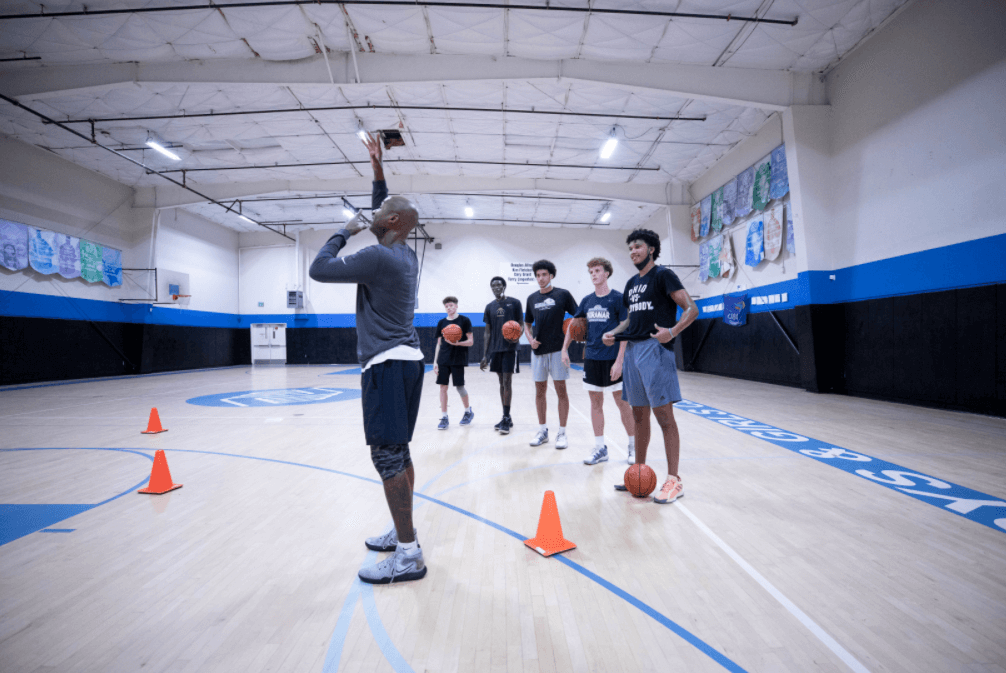
San Diego has never had trouble producing basketball players. The county is spread out, the competition level varies by neighborhood, and families are willing to drive a long way for the right fit. That combination creates a strong club basketball scene, one that can feel crowded from the outside and surprisingly small once you spend enough weekends in gyms from Chula Vista to Carlsbad.
When people search for Basketball Club Teams San Diego families trust, they are usually trying to answer a practical question, not a theoretical one. They want to know where serious players actually go, which programs have stable coaching, where development matters more than social media clips, and which teams can help a kid improve without burning out by middle school.
Popularity, in this space, does not simply mean the loudest Instagram page or the biggest tournament schedule. It usually means a program has built enough local credibility that parents keep hearing the same name in conversations at school gyms, rec leagues, and training sessions. It means players come back for another season. It means high school coaches know the staff. It means the team has a clear identity.
San Diego’s club landscape changes from year to year, especially at the younger ages, but a few programs consistently come up in serious basketball conversations. Some have built reputations around player development. Others are known for exposure, circuit play, or a strong culture. The best way to look at the field is not by asking who is “number one,” but by understanding what each program tends to offer and which players thrive there.
What makes a club team popular in San Diego
A club can be popular for good reasons, bad reasons, or a mix of both. I have seen teams draw attention because they win a lot in fourth and fifth grade, only to lose families a season later when the coaching fails to evolve. I have also seen quieter programs earn loyal followings because they teach the game properly, communicate well, and steadily produce confident high school players.
In San Diego, popularity usually rests on a few dependable markers.
- Consistent coaching and organization
- Strong word of mouth from current families
- Clear player development, not just tournament volume
- Competitive scheduling that matches the roster
- A culture players want to stay in
Those points sound obvious, but they are where many clubs separate themselves. A talented roster can attract attention for one spring. A well-run program can hold it for years.
The geography matters too. San Diego is not one compact basketball market. North County families often look at different options than South Bay families. Commute time can shape a decision almost as much as coaching style. A club that feels convenient in Encinitas may be completely unrealistic for a family in Eastlake, even if the basketball is excellent.
The names families hear most often
No honest local guide should pretend there is one single list that everyone agrees on. Age group, boys versus girls, school level, and travel expectations all change the picture. Still, several programs come up repeatedly when people discuss well-known club basketball options in the county.
San Diego Sol
For girls basketball, San Diego Sol is one of the most recognizable names in the region. The program has longstanding visibility and tends to be part of the conversation whenever families talk about serious girls club basketball in the county. That kind of staying power matters. In youth sports, programs come and go, and a club that remains visible over time usually does so because enough families believe the experience is worthwhile.
What stands out about a program like Sol is not just branding, but continuity. Girls programs in particular need a clear developmental pathway because the right environment can have a major impact on confidence, aggressiveness, and long-term skill growth. Families often gravitate toward established girls clubs because they want their daughters to be challenged, coached hard, and surrounded by players who take the game seriously.
That said, even a strong girls program is not automatically the right fit for every player. Some athletes need a heavier developmental emphasis. Others are ready for more competitive travel and a deeper roster. The right question is not whether a team is well known. It is whether the coaching approach matches the player’s current stage.
San Diego Soldiers
The Soldiers name carries weight in local boys basketball circles. It is one of those programs that many San Diego basketball families recognize quickly, especially if they have spent time around competitive youth tournaments. Popularity here tends to come from visibility and from repeated exposure to the brand in local and regional competition.
Programs like this often appeal to families with players who want to test themselves early against stronger opponents. That can be valuable, but only when the player is emotionally and physically ready for it. I have watched plenty of young athletes benefit from competing up a level, and just as many get discouraged when they spend a season in games that move too fast for them.
A recognized boys club tends to attract ambitious families, which can raise the level of training and internal competition. It can also create pressure. Roster spots feel more competitive. Playing time can get tight. Parents sometimes confuse being around high-level players with actual development. Those are not always the same thing.
Gamepoint Basketball
Gamepoint has developed strong local recognition, particularly among families who care about skill development and structured training. In many markets, the club side and the training side are disconnected. In San Diego, programs that can bridge those two worlds often build loyal followings because parents see direct progress in footwork, decision-making, ball handling, and confidence.
That kind of reputation tends to appeal to serious beginners and serious advanced players alike. A younger player may benefit from a more technical, teaching-oriented environment. A stronger middle school or high school player may appreciate a program that still values detail, instead of assuming talent will carry everything.
One thing I appreciate about development-centered clubs is that they usually reveal their value over time, not overnight. A player may not dominate in March, but by August the pace looks slower, the reads are cleaner, and the body language is stronger. Families who understand that timeline often end up happiest with their club choice.
Other established local and regional options
Beyond the most recognizable names, San Diego families also encounter a rotating group of clubs with strong pockets of support. Some are neighborhood-driven. Some are connected to trainers. Some pull talent from both San Diego and nearby counties. Others specialize in a certain gender, a certain age band, or a particular style of play.
This is where things get nuanced. A team may be extremely popular in one part of the county and barely known in another. A sixth grade group might be outstanding while the eighth grade team is rebuilding. A coach can make a huge difference. In club basketball, families are not just choosing an organization. Very often, they are choosing one or two adults who will shape the player’s season.
That is why blanket rankings rarely help. A strong local coach with a well-run team can be a better environment than a higher-profile club where a player gets lost in the shuffle.
Why some clubs stay popular while others fade
The easiest way to lose perspective in youth basketball is to confuse visibility with quality. Popular clubs in San Diego tend to stick around because they do several hard things well at once.
First, they communicate. That sounds almost too basic to mention, but any parent who has been through disorganized tryouts, changing practice times, vague fee structures, or silence after a poor tournament knows how valuable communication really is. Good clubs respect family logistics. https://lukasghdo260.hexaforgey.com/posts/how-local-talent-thrives-in-basketball-club-teams-san-diego They do not treat every question like an inconvenience.
Second, they build an identity. Some clubs teach pressure defense and pace. Some focus on skill progression and decision-making. Some emphasize toughness and accountability. The best ones make those values visible in practice and games. A player should know what the team stands for by the end of the first month.
Third, they understand age-appropriate development. This is a major separator. Popularity built on early wins can disappear fast if the program teaches bad habits. I have seen young teams press all game, trap nonstop, and look unbeatable, only for those same players to struggle later because they never learned spacing, help defense, passing angles, or how to play in the half court. The clubs that endure are the ones that teach skills players can carry into high school basketball.
Fourth, they usually have at least some coaching continuity. Kids get better when expectations are clear and language stays consistent. If every season feels like a total reset, development slows.
The real trade-offs parents should think about
A lot of families approach the San Diego club scene as if there must be one best answer. Usually there are several decent answers and one clearly bad one. The trick is identifying what matters most for your child right now.
A big-name club can provide strong competition and visibility, but that same environment may come with a deeper bench and less room for mistakes. A smaller club may offer more reps, more feedback, and a coach who knows your child’s game in detail. For a seventh grader who needs confidence and touches, that can be the better path. For a varsity-ready freshman who needs tougher competition and harder practices, a deeper roster may be worth the trade.
Travel is another factor families underestimate. San Diego parents are already used to driving, but club basketball can turn weekends into logistical puzzles. Two practices, a Saturday doubleheader in one part of the county, a Sunday tournament in another, and suddenly the season is running the household. Some families are happy to make that trade. Others realize a more local, less glamorous option leads to a healthier rhythm and a more rested player.
Then there is the playing style. A club can win games and still not teach your child how to play. I have seen players score 20 points a game on weak travel schedules and arrive at high school unprepared for pressure, defensive rotations, or physicality. I have also seen players average eight points in a tougher club setting and become far more complete basketball players by the end of the year.
How coaches and high school programs tend to view club experience
Club basketball matters in San Diego, but it is not a magic stamp of quality. Good high school coaches usually look past the jersey and ask sharper questions. Can the player defend? Do they process the game? Do they compete when tired? Have they been coached to make second and third reads? Can they handle being challenged?
Those qualities are often developed in better club environments, which is one reason popular programs keep attracting families. But the logo alone does not move the needle. If a player spends an entire club season standing in the corner, rarely handling the ball, and receiving little instruction, the brand name will not make up for that.
The better club programs understand this. They know their reputation improves when their players look prepared in high school tryouts. That connection between club basketball and school basketball is stronger than many younger families realize. In a basketball community like San Diego, people talk. Coaches notice which programs produce disciplined, coachable players.
Finding the right fit matters more than chasing hype
The most common mistake I see is families selecting a club because another parent described it as elite, without defining what elite actually meant. Did they mean the team won a spring tournament? Did they mean the coaching was excellent? Did they mean their child liked the uniforms? Those are very different things.
A useful club choice starts with honest player evaluation. Is the athlete advanced for their age, average but eager, physically behind but highly skilled, or athletic and raw? Is confidence fragile or strong? Does the player need firm correction or a more measured tone? These are not small details. They shape the whole season.
If you are evaluating Basketball Club Teams San Diego families recommend most, a short list of questions helps cut through the noise.
- Who is actually coaching the team, not just directing the club
- How many players are expected on the roster
- What the practice-to-game balance looks like
- How playing time is typically handled
- Whether the competition schedule fits the team’s level
Those answers tell you more than a social media highlight reel ever will.
A closer look at age groups and what “popular” means in each
Popularity means one thing in third through fifth grade, something else in middle school, and something more demanding in high school.
At the younger levels, families often prioritize a positive introduction to structured basketball. The most popular teams here are usually the ones that keep kids engaged, teach fundamentals well, and make parents feel the season is organized. Winning matters, but only to a point. A nine-year-old does not need a national schedule. They need footwork, passing habits, defensive stance, and a coach who can hold attention without draining joy from the game.
By sixth through eighth grade, the tone changes. Families start thinking about middle school reputations, future high school teams, and whether the player should be on a more competitive path. This is where established club names often gain traction. Parents want challenge and clearer benchmarks. It is also where poor club decisions can cause the most frustration, because development gaps start becoming visible.
In high school, popularity often follows credibility. Players want meaningful games, stronger practice competition, and a schedule that respects school basketball. Better clubs at this level know they are supporting, not replacing, the high school experience. They understand that overtraining, unnecessary travel, and ego-driven scheduling can hurt more than help.
San Diego’s basketball culture rewards substance
One thing I have always liked about San Diego basketball is that while hype exists, substance still travels fast. If a coach teaches well, families hear about it. If a program is disorganized, families hear about that too. If a club develops unselfish guards, tough rebounders, and players who actually understand spacing, the local community notices.
That is why the most popular club teams are not always the flashiest. Often, they are the ones that combine enough visibility with enough real basketball value to keep earning trust season after season. A club does not need to be perfect. It does need to be honest about what it is.
For some players, that means a highly competitive, widely recognized team with strong opponents and limited minutes. For others, it means a development-heavy program where the player handles the ball constantly, gets corrected every practice, and grows fast because the role fits. Both can be smart choices.
The bottom line for families exploring San Diego clubs
If you are trying to identify the most popular basketball club teams San Diego has to offer, start with this assumption: the strongest options are popular because enough people have seen real value there, not because they market themselves well. Programs such as San Diego Sol, San Diego Soldiers, and Gamepoint Basketball are frequently part of that conversation, and for good reason. Each has built recognition in a crowded landscape where credibility is hard to fake for long.
Still, popularity should be the beginning of your research, not the end of it. Watch a practice if you can. Ask how teaching happens. Look at body language on the bench. Notice whether mistakes are coached or punished. See if players look sharper after timeouts, not just louder. Talk to families whose children are not stars on the team, because they often give the clearest picture of the experience.
The right club in San Diego is the one that helps a player improve, compete, and stay connected to the game. That answer is more valuable than any ranking. In a basketball city with plenty of options, judgment matters more than buzz, and fit matters more than fame.
Lamont Smith Basketball Academy
888 Clairemont Mesa Blvd Suite T-2, San Diego, CA 92123
(619) 639-8778
FAQ About Basketball Club Teams San Diego
How can a player join an LSBA club team?
Players are evaluated during practices so the coaching staff can recommend an appropriate team and development level. Families should contact the academy to confirm current openings and evaluation details.
Are club teams available for newer basketball players?
Yes. LSBA describes multiple levels, including a developmental option for newer players as well as more competitive teams for athletes with prior club experience.
What do LSBA club team practices emphasize?
Practices emphasize basketball fundamentals, team defense, structure, communication, and player development. The specific focus may vary according to the team and experience level.
Do all LSBA teams travel?
Travel expectations vary by level. Some teams focus on local competition, while advanced teams may participate in tournaments elsewhere in Southern California or beyond. Families should confirm the current schedule before enrolling.